ELLIS PARK THROUGH THE YEARS
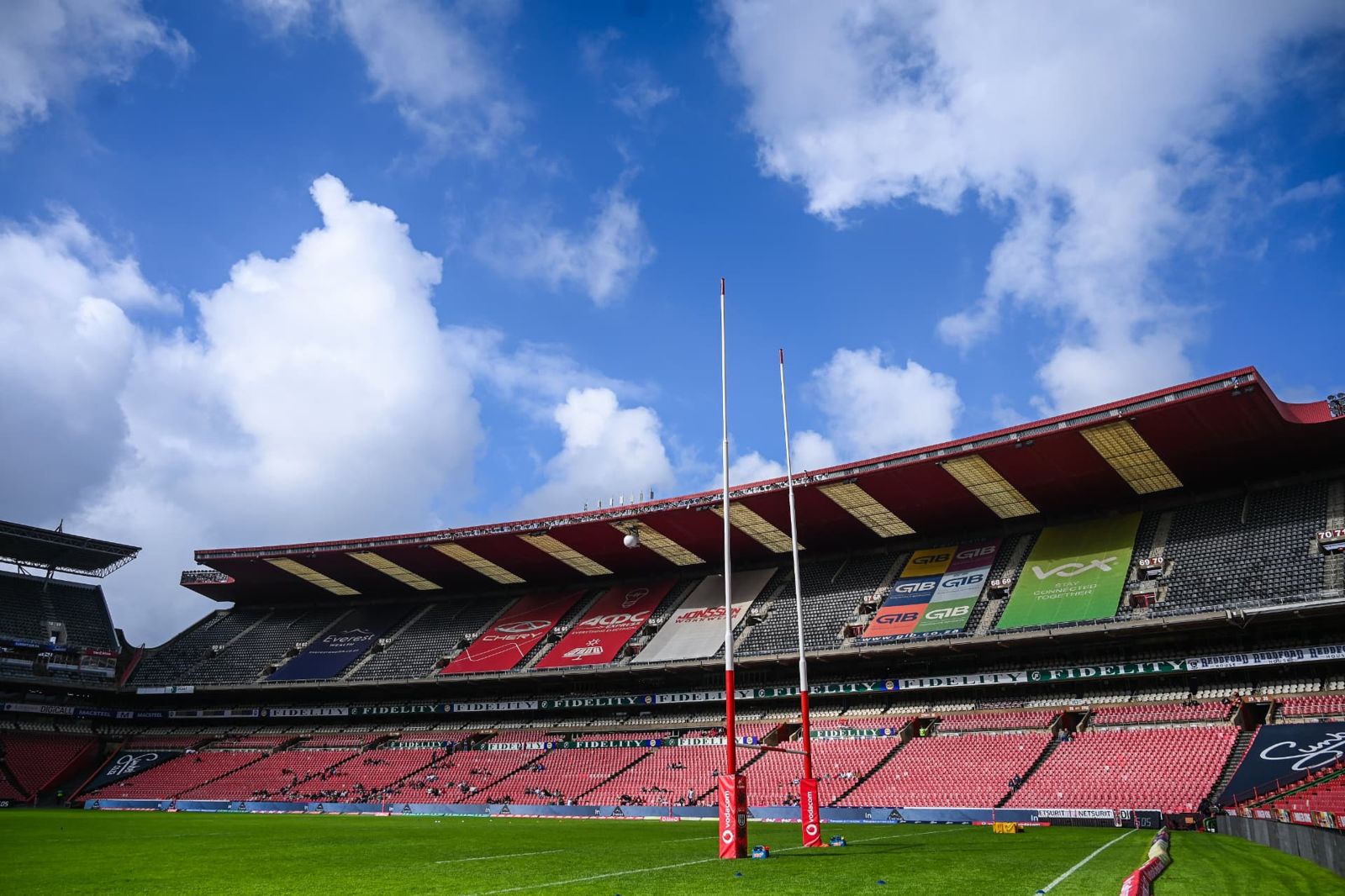
Ninety-eight years of Doornfontein, in one frame.
Johannesburg’s Doornfontein valley sits 1,750 meters above sea level, but for nearly a century, the true atmospheric pressure at Ellis Park has been generated by sheer human drama. Few sporting arenas worldwide match the raw physical intensity, political resonance, and cultural gravity of this Highveld fortress. From its beginnings as an unpromising municipal clay quarry to its emergence as the spiritual home of South African rugby, Ellis Park stands as a living archive of a nation’s complex history.
1928: The High-Altitude Inception — Built on 13 acres of repurposed landfill and clay brickfields secured by the Transvaal Rugby Football Union and named after city councilor J.D. Ellis, the venue opens in June with a brutal Test match between South Africa and New Zealand’s All Blacks.
1948–1956: The Multi-Sport Epoch — Ellis Park broadens its athletic portfolio beyond rugby, hosting six elite international Test matches for cricket before first-class cricket relocates to the purpose-built New Wanderers Stadium.
1982: The Concrete Crucible — Demolished and completely rebuilt into a modern 60,000-seat concrete amphitheater, the upgraded facility creates an acoustic cauldron designed to amplify supporter noise and systematically intimidate visiting international squads.
1985: Concert in the Park — Beyond sport, the venue proves its massive cultural reach by hosting the landmark "Concert in the Park," bringing together 125,000 multi-racial spectators during the height of apartheid to raise funds for Operation Hunger.
1995: The Unification Game — The stadium hosts the legendary 1995 Rugby World Cup Final. Nelson Mandela takes the field wearing Francois Pienaar’s No. 6 Springbok jersey to present the Webb Ellis Cup following a gripping 15–12 extra-time victory over the All Blacks, forging an indelible global symbol of post-apartheid reconciliation.
2001: Crucible of Reform — Darkness strikes during a fiery Soweto derby football match between Orlando Pirates and Kaizer Chiefs when a fatal crowd crush claims 43 lives. The tragedy forces a complete overhaul of stadium management and security protocols across African sports.
2005: Commercial Transformation — Ellis Park breaks structural ground by becoming South Africa’s first black-owned major stadium, setting a new precedent for sports venue governance and asset management.
2009–2010: The Global Football Era — After multi-million-rand structural enhancements, the arena hosts the 2009 FIFA Confederations Cup Final and seven pivotal fixtures during the historic 2010 FIFA World Cup, proving its world-class multi-sport capability.
2015–2026: Modern Commercial Moats — Navigating high-profile corporate naming partnerships—transitioning from Coca-Cola Park to Emirates Airline Park, and recently to 10bet Ellis Park—the stadium retains its fierce competitive edge as the home of the Lions and an icon of Highveld sport.
Ellis Park remains far more than reinforced concrete and manicured turf. It is an unyielding monument to competitive grit, societal reconciliation, and commercial durability—an arena where South African history is continuously written into the thin, unforgiving air.